


Which Silver Is Best for Jewellery? 925 vs 999 Silver | VELDIRA
You're looking at two silver pieces. One is marked 925, the other 999. Since 999 is the higher number, it's easy to assume it must be the better one. That's a very common thought, and it isn't completely wrong, but it isn't the full picture either.
If you're trying to work out which silver is best for jewellery, purity is only one part of the answer. What you're buying, how often you'll wear it and how much knocking around it will face matter just as much. In this guide, we'll explain what 925 vs 999 silver really means, why most silver jewellery is made in 925, where 999 makes sense, and what to check before you buy.
What Do 925 Silver and 999 Silver Mean?
Both numbers tell you how much of the metal is silver, counted out of 1,000 parts.
925 silver has 925 parts silver in every 1,000. That's 92.5% silver. The remaining 7.5% is other metals, most often copper. It's also called sterling silver. If you'd like the full background, we've explained it in our guide on what 925 silver is.
999 silver has 999 parts silver in every 1,000. You'll often hear it called fine silver. It contains 99.9% silver, and only 0.1% is something else.
So why mix silver with other metals at all? Because silver on its own is soft. In that form, it bends, dents and scratches quite easily. Adding a small share of another metal makes it harder and better at holding its shape. That's why the 925 silver purity level is so commonly used for jewellery: it's still mostly silver, with some extra strength built in.
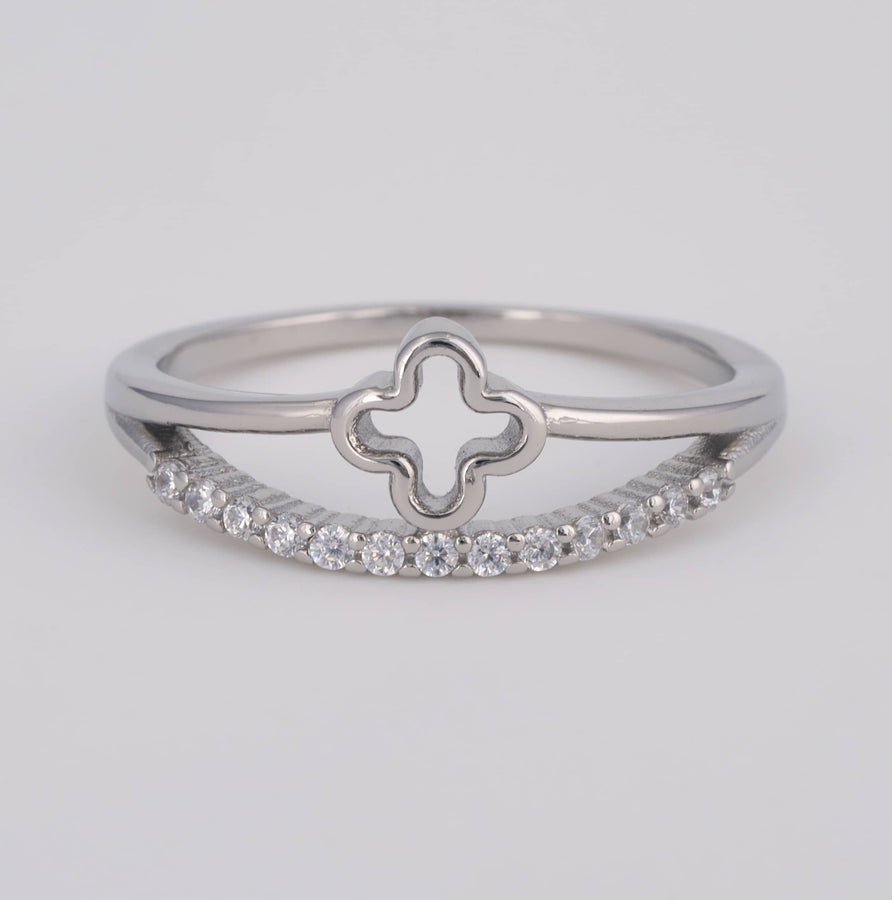
925 Silver Diamond Ring for Women — VELDIRA
925 vs 999 Silver: What's the Difference?
Here's the simple difference, side by side:
| Feature | 925 Silver | 999 Silver |
|---|---|---|
| Silver content | 92.5% | 99.9% |
| Purity | 925 parts silver in 1,000 | 999 parts silver in 1,000 |
| Common name | Sterling silver | Fine silver |
| Strength | Harder, holds its shape better | Softer, bends and scratches more easily |
| Suitability for jewellery | Widely used for rings, chains, pendants and earrings | Used for some jewellery, usually simpler pieces |
| Everyday wear | Generally suits regular wear | Needs gentler handling |
| Design considerations | Works well for detailed designs, thin parts and stone settings | Suits simple designs better; thin or delicate parts may bend more easily |
In short, 999 has more silver in it, and 925 is stronger. Almost everything else in this guide comes back to that trade-off.
If 999 Silver Is More Pure, Is It Better?
Not automatically. This is where silver 999 vs 925 gets a little confusing, because in most things, purer means better. With jewellery, it doesn't work quite that way.
Higher purity does mean more silver in the piece, and that's a real difference. If silver content is your main priority, 999 silver has the higher silver content.
But jewellery doesn't sit in a locker. It gets worn, pressed, knocked against desks and pulled through sleeves. A ring has to stay round. A chain has to bend at every link, again and again. A pendant may need to hold a stone or a fine design. A softer metal finds all of this harder.
So when you compare 925 silver vs 999, think of it like this: 999 has higher silver content, while 925 is generally harder and more practical for many jewellery designs. Neither is "better" on its own. It depends on the piece and how it will be used.
Why Is 925 Silver Commonly Used for Jewellery?
Jewellery has a tougher job than most silver objects. Here's what that looks like in real life:
- Rings take the most knocks. Your hands are constantly picking things up, opening doors and reaching into bags, so a ring needs to keep its shape.
- Chains are always moving. Every link bends and rubs against the next one through the day.
- Pendants hang, swing and sometimes carry stones or detailed work.
- Everyday jewellery gets put on in a hurry, slept in by mistake and dropped once in a while.
925 silver gives a practical middle ground: it's mostly silver, with just enough added strength to cope with all this. That's one reason 925 silver is widely used for jewellery, including rings, chains, pendants and earrings.
And to answer a doubt many people have: yes, 925 silver is real silver. The other 7.5% isn't a trick or a cheap filler. It's added on purpose to make the jewellery last better.
Which Silver Is Best for Jewellery?
So, which silver is best for jewellery? The honest answer is that it depends on what you're buying and how you plan to wear it. Here's an easy way to think about it.
- For everyday wear: 925 is usually the more practical choice. Pieces you wear daily need to handle regular use, and the extra strength helps.
- For occasional wear: If a piece only comes out for weddings, festivals or special dinners, strength matters a little less. Design and how it looks on you matter more, and either purity can work.
- If you prefer higher purity: Some people simply want the highest silver content, and that's a perfectly fair reason to choose 999. Just remember it's softer, so choose a simple design and handle it more gently.
Still unsure? Ask yourself three quick questions. How often will I wear it? Will it get knocked around? Does the design have stones or thin parts? The more "yes" answers you have, the more 925 makes sense.
925 vs 999 Silver for Rings, Chains and Pendants
When you compare 999 silver vs 925, the type of jewellery changes what matters most. Here's how it plays out for the three most common pieces.
For Rings
Rings work the hardest, so they're where strength matters most. A thin band in a softer metal can lose its round shape over time, and stone settings need to stay firm. This is why 925 is commonly used for rings, especially ones you'll wear every day.
If you love the idea of a 999 ring, go for a plain, slightly thicker band and expect to be a little more careful with it. Whichever you choose, fit matters just as much as purity. Our silver rings for women buying guide covers how to choose one, and you can browse VELDIRA's 925 silver rings for her anytime.
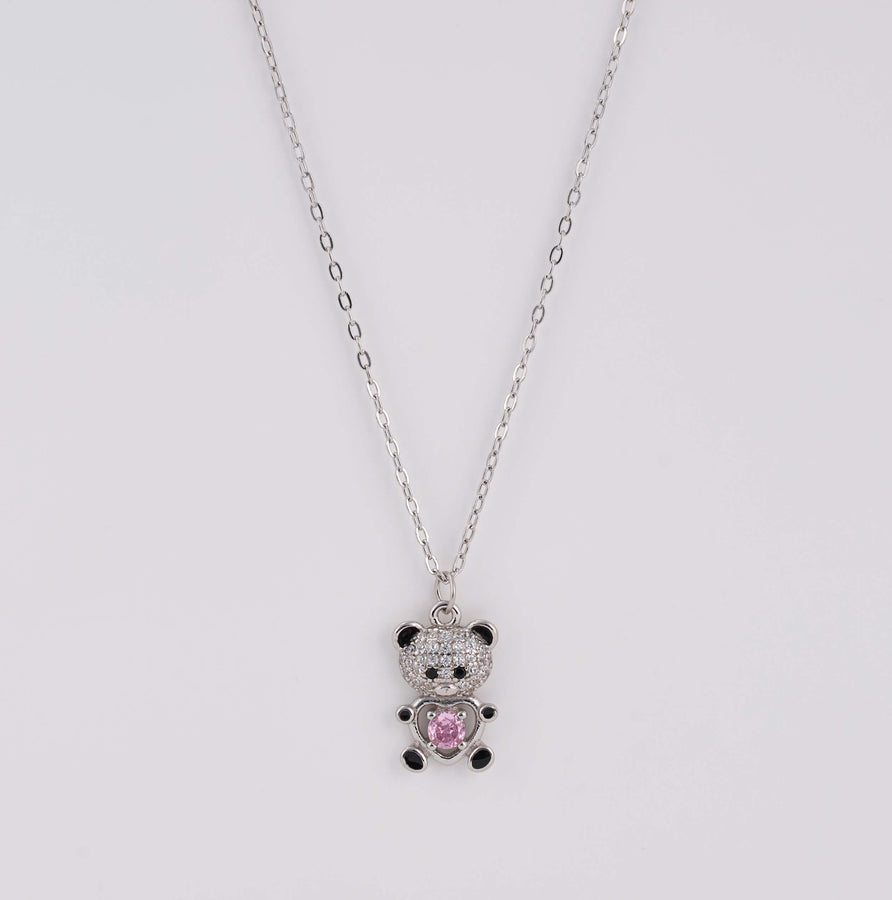
925 Silver Daily Wear Necklace with Diamond Teddy Pendant — VELDIRA
For Chains
A chain is made of many small links that bend all day, so it needs to hold its shape while it moves. 925 is commonly used for chains because of that strength. A very fine chain in a softer metal may be more likely to stretch or kink, so if you're considering 999, thickness and gentle handling become more important.
With any chain, also look at the clasp and the length. A good clasp matters as much as the silver itself. If you like the idea of a chain and pendant together, have a look at silver chains with pendants.
For Pendants
Pendants usually take fewer knocks than rings, so this is where the gap between the two narrows. A simple, solid pendant that hangs quietly at the neck can work well in either purity.
925 helps when the pendant has stones, fine patterns or a thin loop at the top (the bail, which holds the chain). Those small parts take the most strain. If you're shopping for a matching set, VELDIRA's pendant sets are a good place to start.
Is 999 Silver More Expensive Than 925 Silver?
Not necessarily. Gram for gram, 999 contains more silver, so the raw silver in it is worth a little more. But the price of finished jewellery is never based on purity alone. It usually depends on:
- Silver weight: a heavier piece uses more silver
- Design: simple or detailed, plain or layered
- Craftsmanship: how much skilled handwork goes into it
- Stones: type, size and number, if any
- Finishing: polish, oxidised look, plating or other surface work
- Brand: quality checks, packaging and after-sales support
- Making costs: the cost of turning silver into a finished piece
So a heavier, stone-set 925 piece can easily cost more than a plain, light 999 one. Silver rates also change, so it's better to compare two pieces on their details rather than on purity alone.
What Should You Check Before Buying Silver Jewellery?
First, a quick word on what the 925 mark actually tells you. It tells you the seller says the piece is 92.5% silver. On its own, a stamp isn't independent proof, so it helps to buy from a seller who shares clear purity information and provides hallmarking or certification where applicable.
Here's a simple checklist to run through, especially when you're buying online:
- Silver purity: is it clearly stated as 925 or 999? A listing that just says "silver" doesn't tell you much.
- Material information: is the whole piece silver, or is it plated? Terms like "silver-tone" or "German silver" don't mean real silver.
- Product specifications: stone type, closure type and other details should be listed.
- Weight: when it's provided, it helps you compare two pieces fairly.
- Size: ring size, chain length and pendant dimensions. Check the measurements, not just the photos.
- Finish or plating: if there's plating, know what it is. Plating can wear off gradually with use.
- Seller information: a real address and contact details are a good sign.
- Return or exchange policy: this matters most for rings, where getting the size right can take a try or two.
- Invoice: ask for one that mentions the material and purity.
- Care instructions: good sellers tell you how to look after the piece.
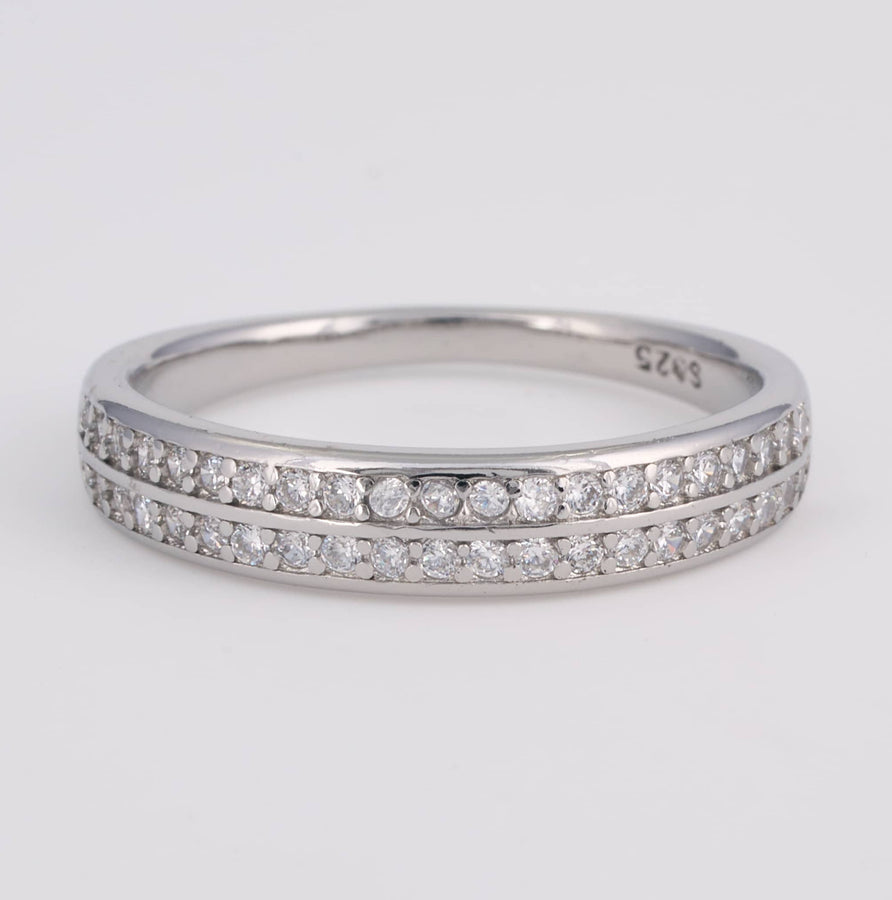
925 Silver Daily or Office Wear Ring with Diamonds — VELDIRA
925 Silver vs 999 Silver: Which One Should You Choose?
If you're mainly looking for jewellery for regular wear, 925 silver is commonly used because it offers a practical balance between silver content and strength. If your priority is very high silver purity, 999 silver has the higher silver content.
So the choice usually comes down to how you plan to wear the piece. Daily rings, chains and stone-set designs lean towards 925. Simple pieces that you'll handle gently can work in 999 if you prefer the higher purity. Neither choice is wrong. It just needs to suit the piece and the person wearing it.
Frequently Asked Questions
Is 925 silver real silver?
Yes. It's real silver mixed with a small share of other metals, usually copper, to add strength. Just make sure the seller clearly states the purity.
What is the purity of 925 silver?
92.5%. That means 925 parts silver in every 1,000, with the remaining 7.5% made up of other metals.
Is 999 silver better than 925 silver?
999 has higher silver content, while 925 is generally harder and is widely used for jewellery. The better fit depends on the piece and how you'll use it.
Which silver is best for everyday jewellery?
925 is commonly chosen for everyday jewellery because it holds its shape better through regular wear. Pair it with a comfortable fit and a sturdy design.
Is 925 silver good for rings?
Yes. It's commonly used for rings because it's stronger than softer fine silver, so the band is more likely to keep its shape. Fit and design still matter.
Why is 999 silver softer than 925 silver?
Because it has almost no other metal mixed in. Fine silver is naturally soft, and the alloy metals in 925 make it harder.
What is the difference between 925 silver and 999 silver?
925 silver is 92.5% silver with other metals added for strength. 999 silver is 99.9% silver, so it has more silver content but is softer.
Does higher silver purity mean better jewellery?
Not automatically. Purity only tells you how much of the metal is silver. It doesn't tell you how well a piece is designed, made or suited to the way you'll wear it.
Conclusion
So, which silver is best for jewellery? It's the one that fits the piece and the way you'll wear it, bought from a seller who is clear about what it's made of. For everyday rings, chains and pendants, 925 is often a practical choice because it is generally harder than fine silver, while 999 suits buyers who prioritise higher silver purity and are comfortable with a softer metal.
Explore VELDIRA's 925 silver rings and pendant sets to find a design that suits your style.


